EXPERTISE | EMBELLISHMENTSVarnishes & Laminates
The finish you choose does more than protect a label. It influences how colors appear, how the surface feels, and how your packaging is experienced in a customer's hands. Whether you're looking for added durability, a specific visual effect, or both, varnishes and laminates help complete your label while protecting it throughout its journey.
Why Use a Varnish or Laminate?The final finish is often the last design decision, but it's one of the first things people notice.
Varnishes and laminates protect printed labels from moisture, abrasion, chemicals, and everyday handling while also influencing the look and feel of the finished package. Depending on your goals, the right finish can create a brilliant gloss, a refined matte appearance, a soft-touch feel, or selective highlights that draw attention to important design elements.
Some applications benefit from a simple protective coating. Others require maximum durability. The best choice depends on your product, packaging, environment, and design objectives. We’ll help you find the right varnish or laminate for your label, both for the look you want, and the protection your label needs.
-
![]()
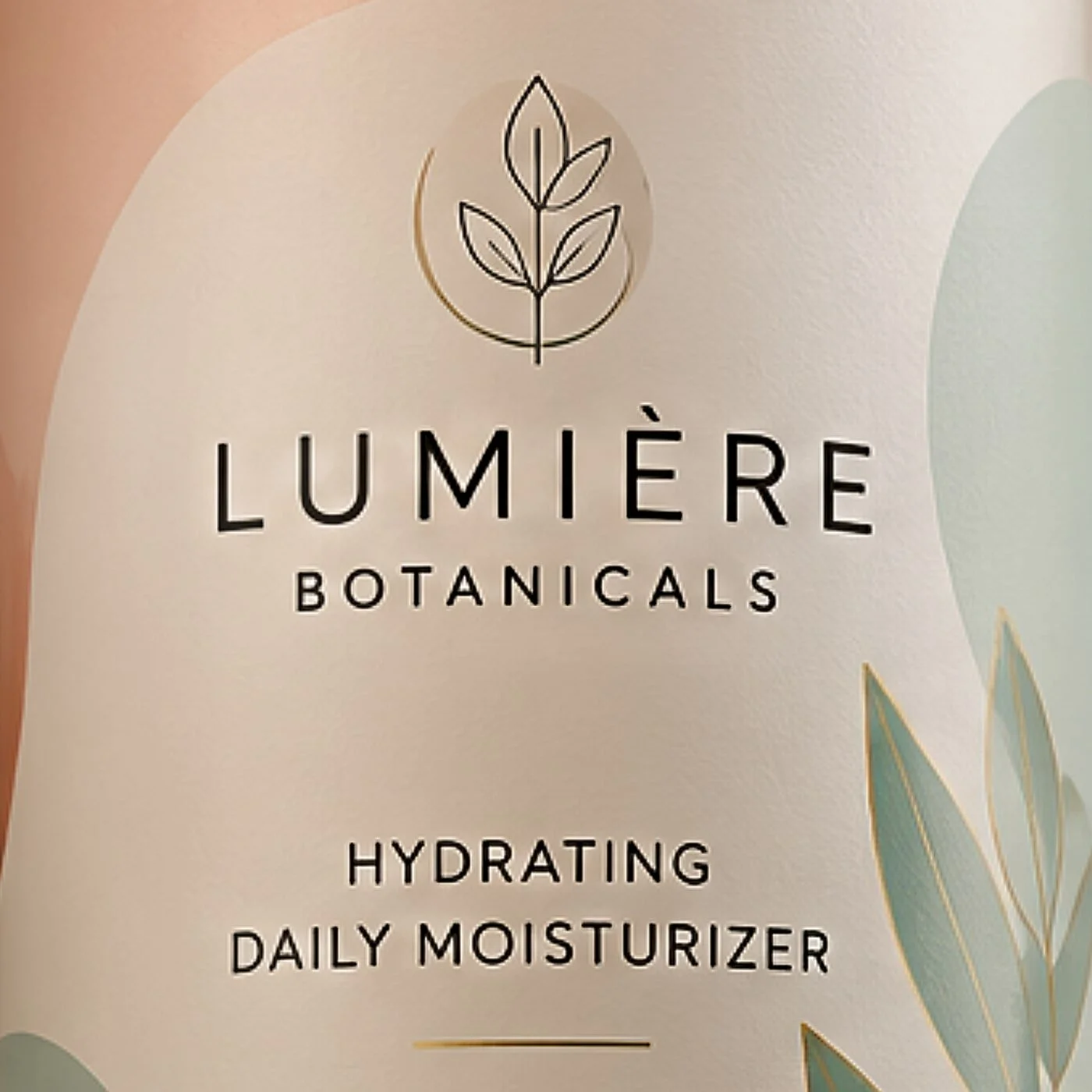
Matte Finish
Reduce glare with a smooth, understated appearance that complements refined packaging and sophisticated brand designs.
-
![]()
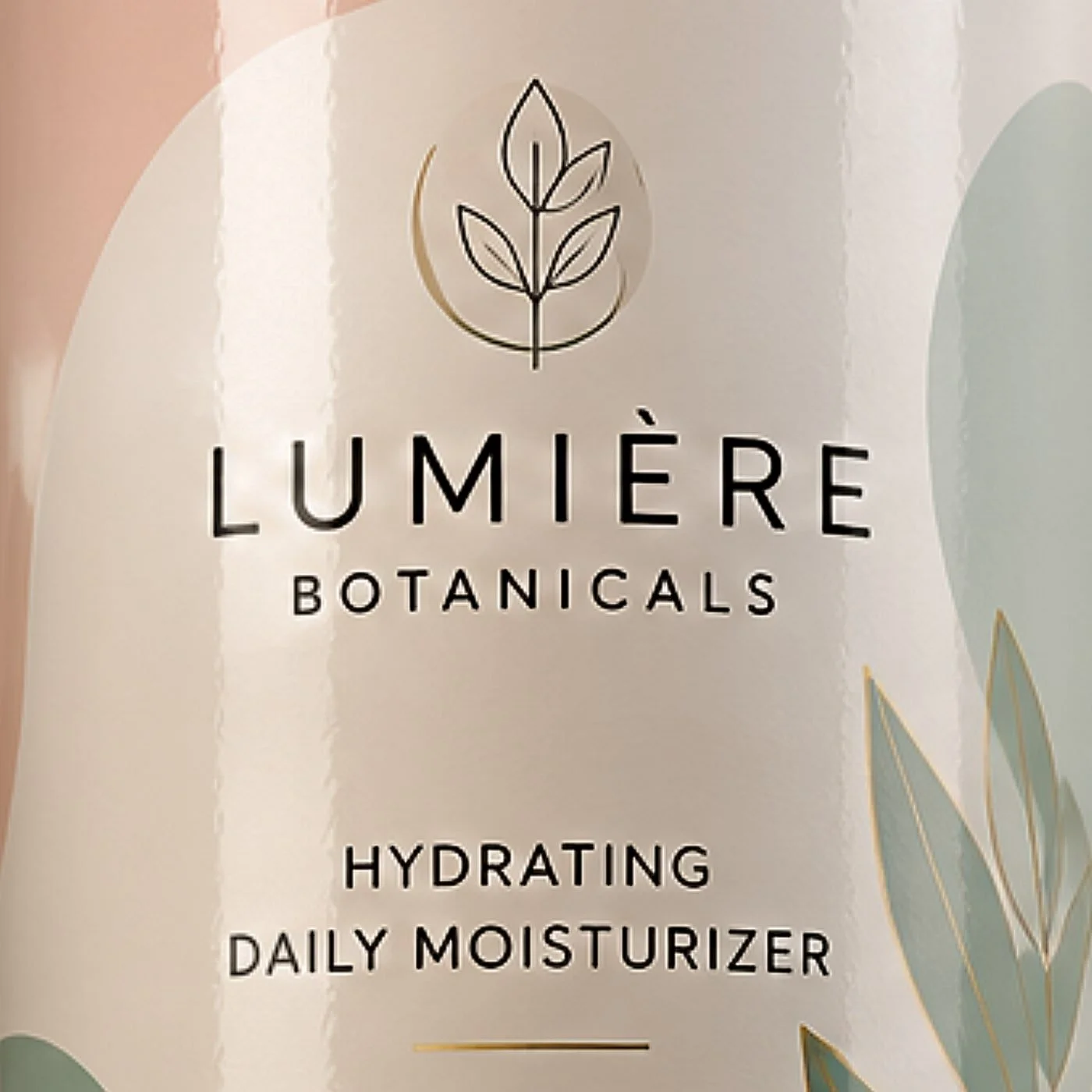
Gloss Finish
Enhance color, increase contrast, and create a brilliant reflective surface that helps graphics and photography stand out.
-
![]()
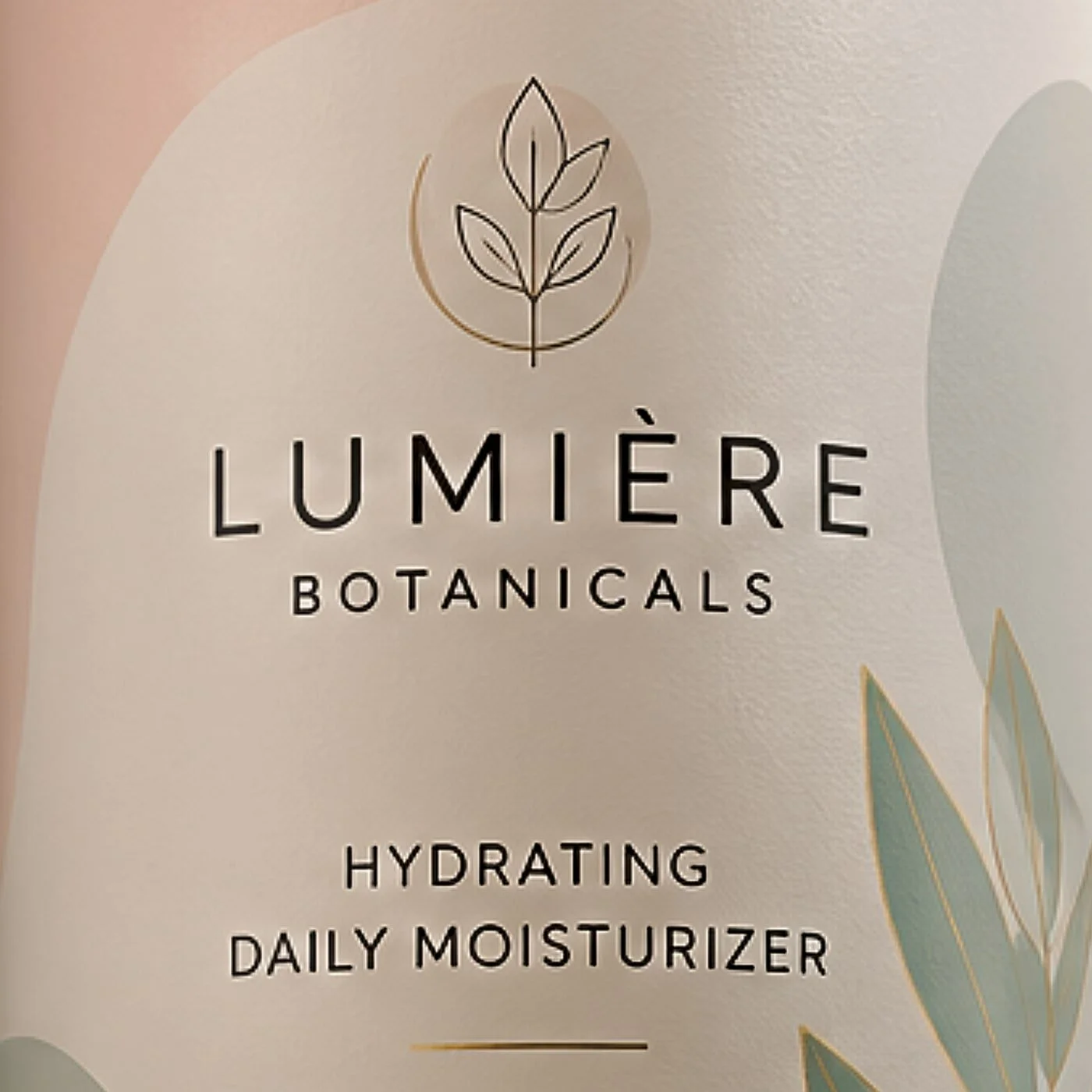
Soft-Touch Finish
Create a velvety, tactile surface that encourages interaction while adding a distinctive sensory experience to premium packaging.
-
![]()
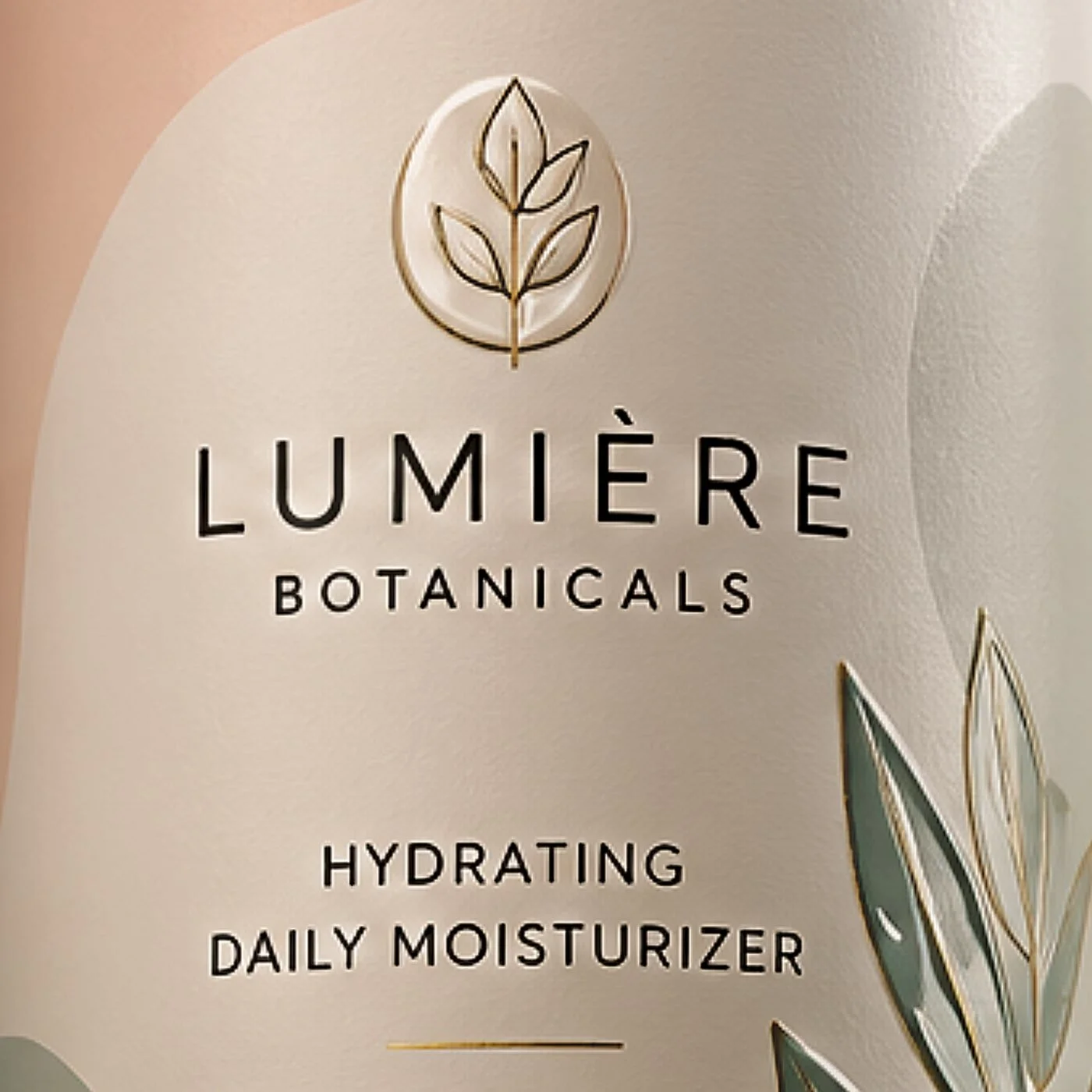
High Build
Add noticeable depth and texture to logos, patterns, typography, and other design details. High-build varnish creates a raised finish customers can see and feel.
Frequently Asked QuestionsCommon Questions About Varnishes & Laminates
-
Both protect the printed label, but they do so in different ways. A varnish is a liquid coating applied directly to the surface of the label and then cured. A laminate is a thin, clear film applied over the printed label, providing an additional layer of protection. The best choice depends on your product, environment, and desired appearance.
-
In general, laminates provide the highest level of protection against abrasion, moisture, and chemicals because they add a physical film over the label. Varnishes also offer excellent protection for many applications while allowing greater flexibility for decorative effects such as spot gloss finishes.
-
That depends on the look you're trying to achieve. Gloss finishes enhance color vibrancy and reflect more light, making graphics appear brighter and more energetic. Matte finishes reduce glare, create a more understated appearance, and are often chosen for premium wines, spirits, cosmetics, and luxury packaging.
-
A soft-touch finish creates a smooth, velvety surface that feels noticeably different from a traditional gloss or matte label. The unique tactile experience encourages customers to pick up and interact with the package, making it a popular choice for premium spirits, cosmetics, candles, and luxury consumer products.
-
Soft-touch finishes are designed to provide both an elevated tactile experience and everyday durability. The best option depends on your product, how it will be handled, and the environment it will be exposed to. During the planning process, we'll recommend the finish that provides the right balance of appearance, feel, and performance.
-
Absolutely. Multiple finishing techniques can be combined to create contrast, dimension, and visual interest. For example, a matte laminate can be paired with a spot gloss or high-build varnish, then enhanced with hot foil stamping or embossing. Combining finishes allows specific elements of your design to stand out while the overall label maintains a cohesive, polished appearance.
-
A spot varnish is applied only to selected areas of a label rather than the entire surface. It's commonly used to highlight logos, product names, illustrations, or other design elements, creating subtle contrast and visual interest.
-
A high-build varnish is applied in a thicker layer to create raised, tactile details that can be seen and felt. It's often used for logos, patterns, typography, or illustrations where added dimension can make the design more distinctive. High-build varnish can be combined with matte or gloss finishes, foil stamping, and embossing to create even more visual and tactile contrast.
-
Products that experience moisture, refrigeration, or ice bucket conditions often benefit from durable laminates or specialty varnishes designed for wet environments. Material selection, adhesive, and the overall label construction all play an important role in long-term performance.
-
It can. Gloss laminates typically make colors appear richer and more vibrant, while matte laminates create a softer, more subdued appearance. Both options protect the label while contributing to its finished look.
-
Nearly every pressure-sensitive label benefits from some form of protective finish. They're commonly used on beverages, candles, cosmetics, personal care products, household goods, industrial products, food packaging, and countless other applications where durability and appearance matter.
-
Start with your product's environment and your design goals. Will the label be exposed to moisture or frequent handling? Are you looking for a brilliant gloss, a refined matte appearance, or decorative spot effects? We'll help you choose the finish that best balances protection, appearance, and performance.
-
Absolutely. Every product has different performance requirements and design goals. We'll review your artwork, packaging, and application to recommend the finish—or combination of finishes—that delivers the appearance and durability you're looking for.