EXPERTISE | EMBELLISHMENTSEmbossing
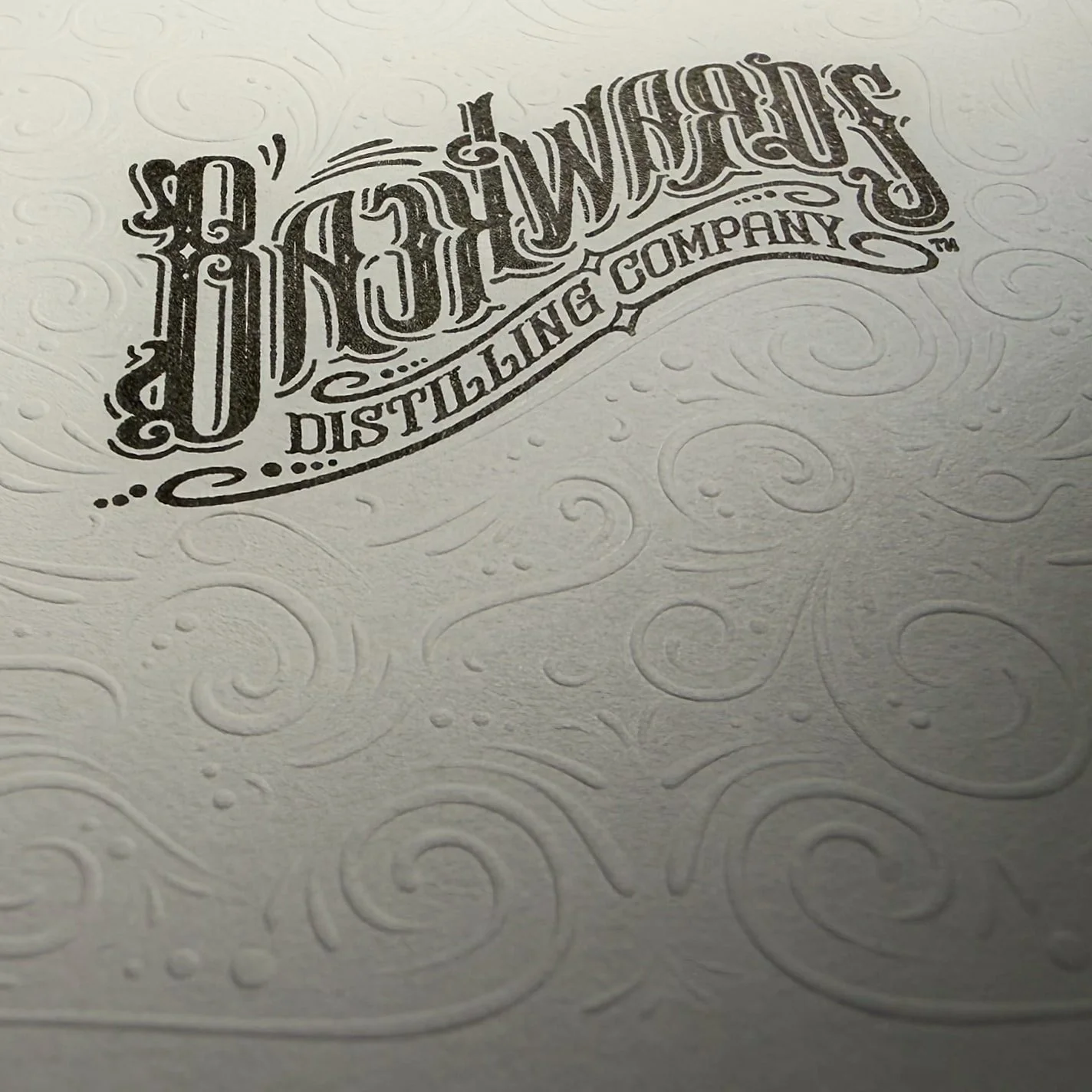
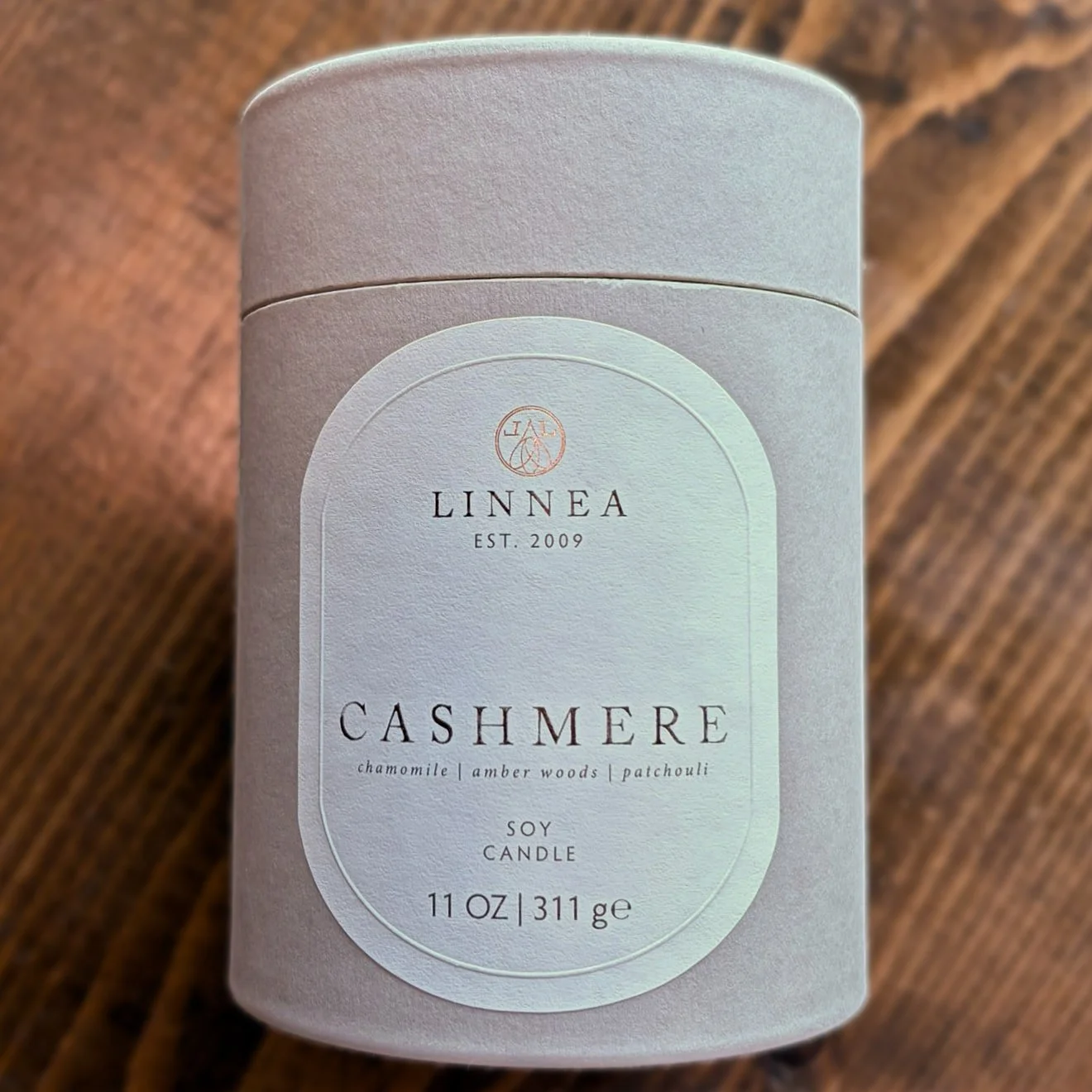
Embossing adds dimension that customers can both see and feel. By raising selected elements above the surface of the label, embossing creates texture, depth, and visual interest that help products stand apart on the shelf. From subtle raised details to highly sculpted artwork, embossing transforms a label into an experience.
Why choose Embossing?Some labels invite a second look. Others invite a second touch.
Embossing creates raised design elements by pressing the label material between precision-made dies. The added dimension changes the way light interacts with the label while creating a tactile experience that printed graphics alone can't achieve.
Depending on the artwork and the desired effect, embossing can be subtle and refined or highly dimensional. One of the most sophisticated techniques is ‘Sculpted Embossing’, which uses multiple levels and rounded contours to create a more realistic, three-dimensional appearance.
-
![]()
Dimension You Can Feel
Raised logos, typography, and artwork create a tactile experience that leaves a lasting impression.
-
![]()
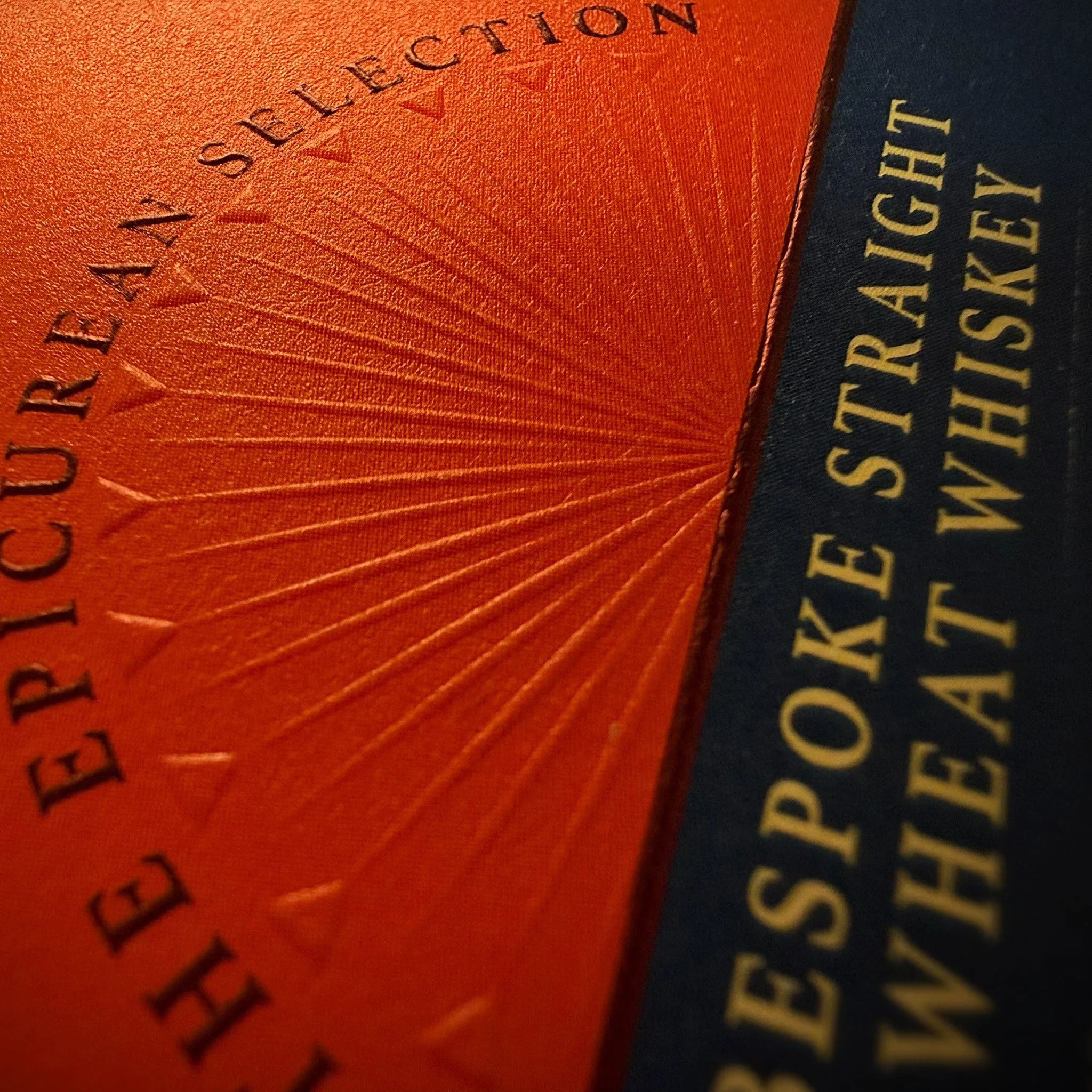
Distinctive Shelf Appeal
Texture encourages interaction, helping products capture attention in crowded retail environments.
-
![]()
Greater Visual Depth
Light and shadow naturally enhance embossed details, adding richness and character without relying on additional color.
-
![]()
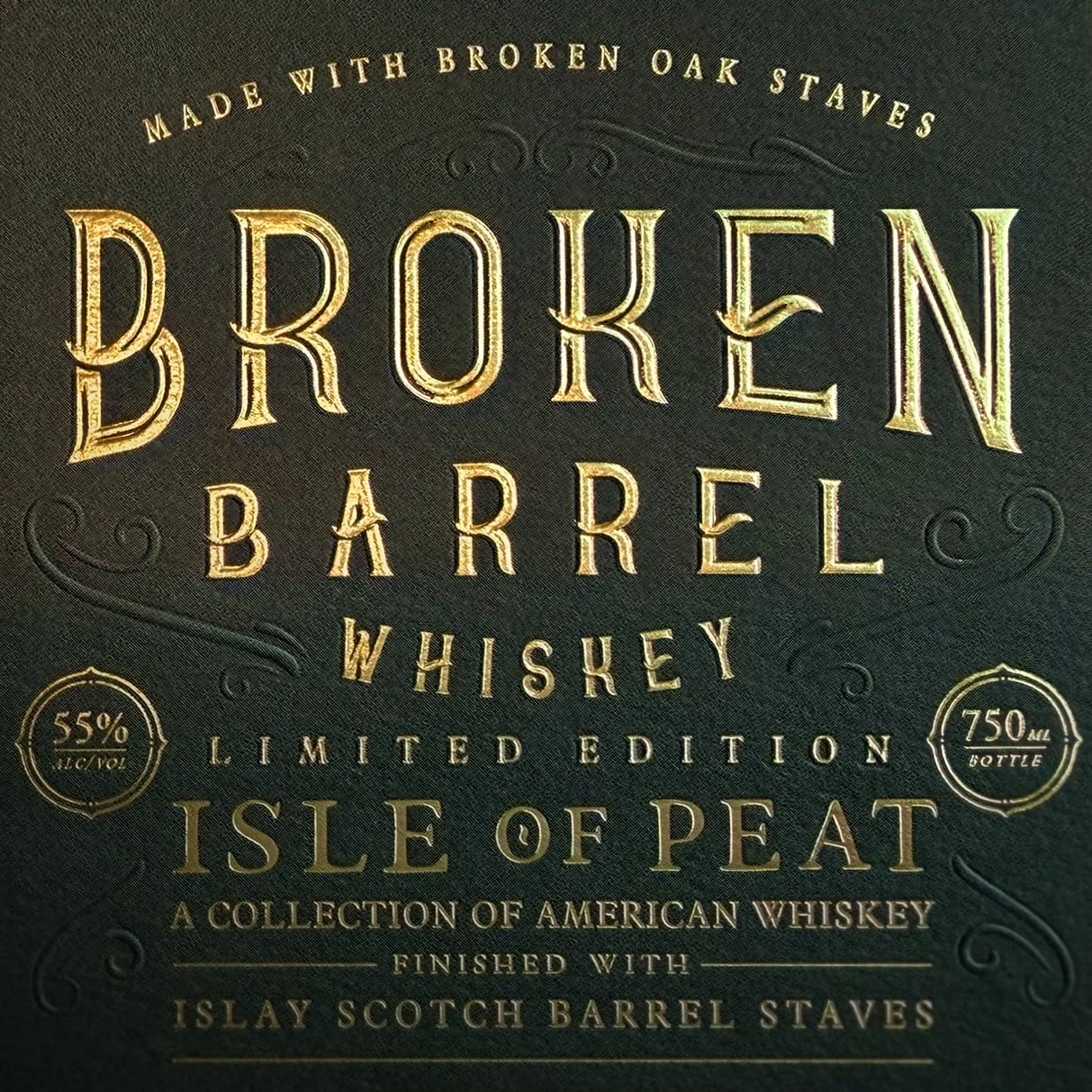
Beautifully Paired with Foil
Sculpted embossing and hot foil stamping complement one another, combining metallic brilliance with dimensional texture for a striking finished label.
Frequently Asked QuestionsCommon Questions About Embossing
-
Embossing is a finishing process that raises selected areas of a label above the surrounding surface using custom engraved dies. The result is added texture, visual depth, and a tactile quality that enhances the overall presentation of the label.
-
Traditional embossing typically raises artwork to a single height. Sculpted embossing builds on that concept by using multiple levels and rounded contours to create a more natural, dimensional appearance. It's often chosen for detailed logos, illustrations, and premium packaging where depth and realism are important.
-
Sculpted embossing is an excellent choice when you want to emphasize intricate artwork or create a dramatic tactile effect. For simpler designs, a traditional emboss may achieve the desired look while keeping production more straightforward. The right approach depends on your artwork, material, and overall design goals.
-
Yes. Embossing and hot foil stamping are one of the most popular finishing combinations for premium labels. The foil catches the light while the raised embossing adds texture and depth, creating a label that's visually striking and satisfying to touch.
-
Many paper label materials emboss beautifully, especially textured and uncoated stocks that readily showcase raised details. Some film materials can also be embossed, depending on the application and desired effect. Material selection should always be considered alongside the artwork and finishing techniques.
-
Embossing is a specialty finishing process that requires custom tooling and additional production steps. Cost depends on factors such as artwork complexity, label size, production quantity, and whether standard or sculpted embossing is used.
-
Embossing is commonly used on spirits, wine, specialty beverages, candles, cosmetics, fragrances, gourmet foods, personal care products, and other consumer products where packaging helps communicate quality and craftsmanship.
-
Clean vector artwork provides the best foundation for embossing. During prepress, artwork may be refined to ensure raised elements reproduce cleanly and maintain appropriate spacing for the chosen embossing style.
-
Very fine lines, tightly spaced elements, and extremely small text may not emboss cleanly. Well-defined shapes, thoughtful spacing, and a clear focal point typically produce the strongest visual and tactile results.
-
If your packaging would benefit from added texture, dimension, and a more engaging tactile experience, embossing is worth considering. Whether a traditional emboss or sculpted embossing is the better fit depends on your artwork, materials, and design objectives. We're happy to help you evaluate the options and recommend the approach that best complements your label.