Markets | SpecialtyFood & Drink Labels
From the pantry to the refrigerator to the beverage cooler, your labels have a lot to do. They need to make your product stand out, communicate important information, and hold up to the conditions surrounding your packaging. With Nestlé Guideline-approved toner technology, custom materials, and specialty finishes, your labels can bring standout presentation and food-packaging considerations together.

Good Taste. Good Standards.Printing Technology That Meets Nestlé Guidelines
Nestlé Guideline approval is an important consideration when choosing printing technology for food and beverage packaging. The Xeikon dry toners used in production are Nestlé Guideline approved, providing an important level of assurance when evaluating printing options for food-related applications.
The complete label construction still matters. Materials, adhesives, placement, and intended use must be considered when determining suitability for a specific product and packaging application.
-
![]()
Packaged & Specialty Foods
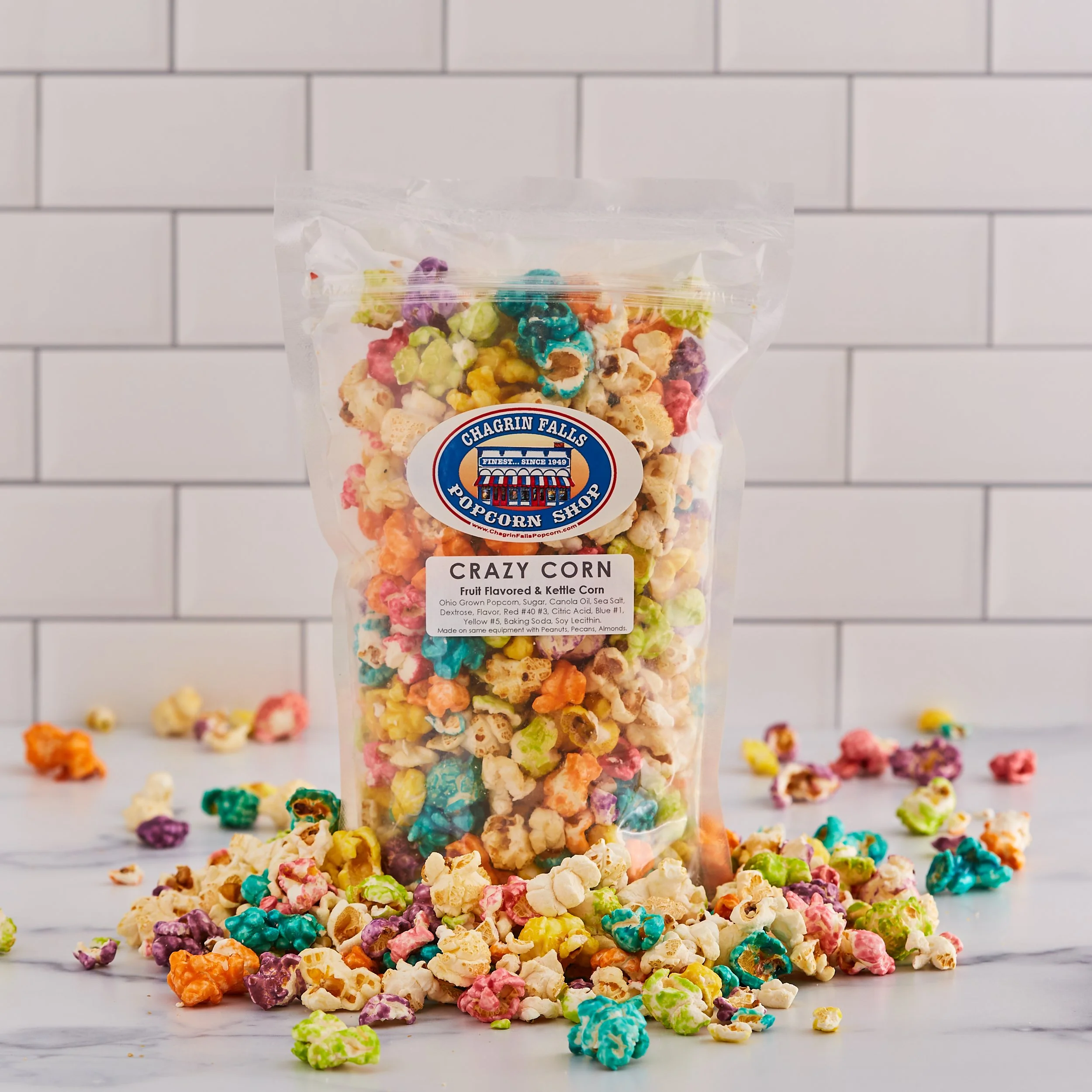
Give everything from snacks and specialty foods to packaged goods a look that belongs on the shelf. Custom sizes, shapes, materials, and finishes help your packaging stand out while making room for the product information customers need.
-
![]()
Sauces & Condiments
Ketchup, hot sauce, dressings, marinades, and other bottled favorites can face moisture, oils, and frequent handling. Choose label materials and adhesives suited to your container and the conditions your product encounters.
-
![]()
Dairy & Refrigerated Products
Cold storage and condensation can put labels to the test. Materials and adhesives selected for refrigerated applications help keep your branding and product information looking their best from production through purchase.
-
![]()
Baked Goods & Snacks
From bakery boxes and specialty treats to snack packaging, distinctive labels add personality and help communicate what makes your product worth reaching for. Custom shapes and finishes give even simple packaging a memorable touch.
-
![]()
Bottled & Canned Beverages
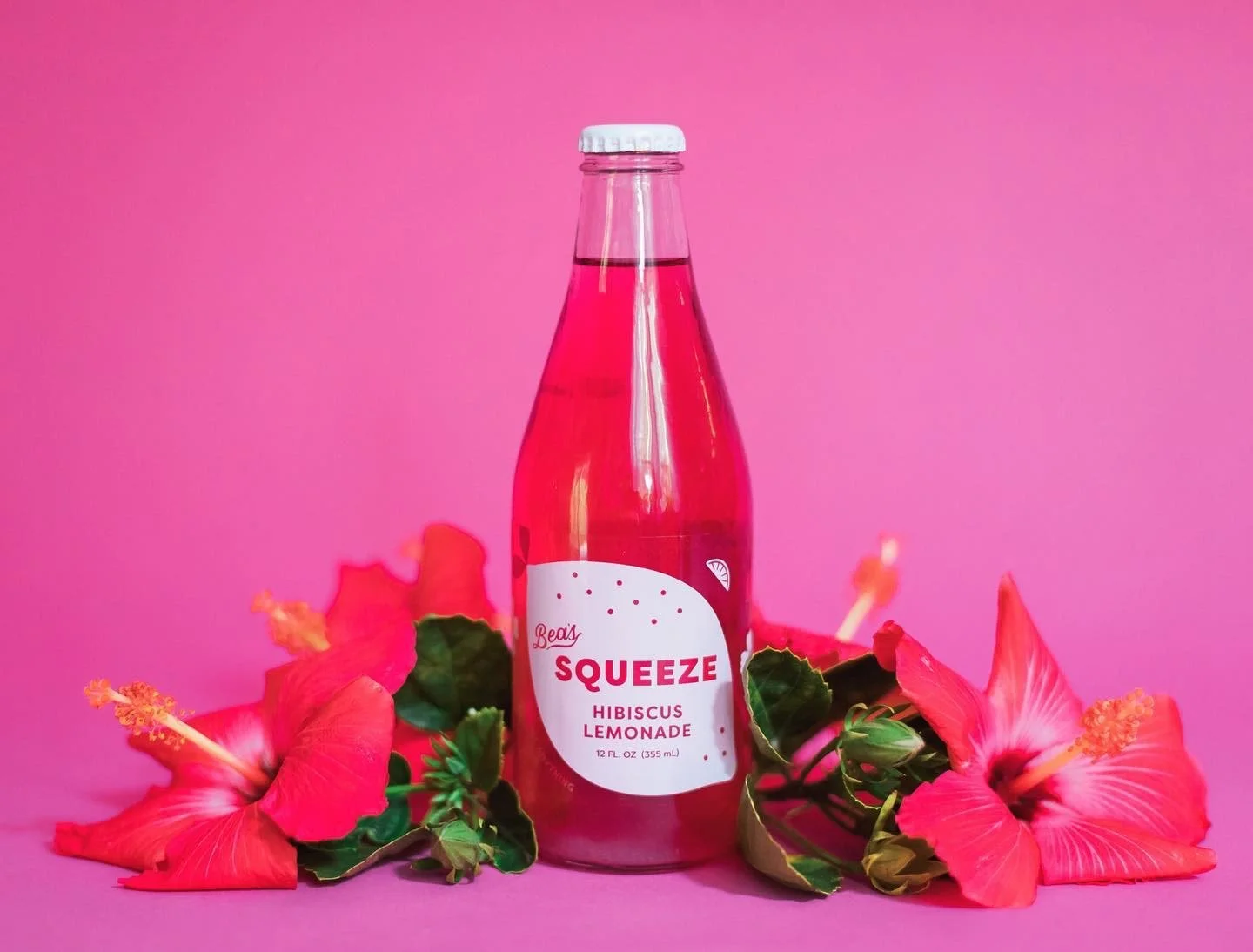
Juices, lemonades, bottled water, and other specialty drinks need labels designed around their containers and environment. Consider condensation, refrigeration, container shape, and application method when choosing the right material and adhesive.


Frequently Asked QuestionsCommon Questions About Food & Drink Labels
-
Label applications include sauces, condiments, dairy products, snacks, baked goods, specialty foods, juices, lemonades, bottled water, and other non-alcoholic beverages. Label dimensions, materials, adhesives, and finishes can be tailored to the product and its packaging.
-
Label Aid uses Xeikon dry toner printing technology that is approved under Nestlé guidelines for food packaging applications. However, food-contact suitability depends on the complete label construction and how it is used. Material, adhesive, placement, and applicable requirements should all be considered for the specific application.
-
The best material depends on the container, surface, temperature, moisture exposure, and application process. Film materials and suitable adhesives are often considered for refrigerated products and packages exposed to condensation. Some paper materials may also work in appropriate conditions.
-
Yes, label constructions can be selected for applications involving moisture, humidity, and condensation. Film stocks, wet-strength papers, protective laminates, and appropriate adhesives can help, depending on the packaging and exposure conditions.
-
Oils and frequent handling can affect label performance. Material, adhesive, and protective finish selection should account for the product, container surface, and expected exposure.
-
Yes. Labels can be produced for a variety of container materials and shapes. The surface, curvature, taper, application method, and service environment all help determine the best label size, stock, and adhesive.
-
Options include hot foil stamping, embossing, custom die-cut shapes, gloss and matte finishes, soft-touch coatings, protective laminates, and other custom effects. Available options depend on the label material and printing process. Learn more about label embellishments.
-
Digital printing supports multiple designs and versions, while variable printing and sequential numbering can accommodate changing information across a production run. The best approach depends on the artwork, data, quantities, and application requirements. Learn more about Digital Label Printing.
-
Yes. Options include FSC-certified stocks and materials made with post-consumer waste and recycled content. The best choice depends on the desired appearance, package, application, and performance requirements. Learn more about Eco-Friendly Labels.
-
Yes. Label Aid's My Label Aid portal provides online access to approved artwork, order history, pricing and quantity breaks, new design submissions, artwork approvals, order tracking, and reordering. It's especially useful when coordinating multiple products or recurring production runs. Learn more about My Label Aid.