EXPERTISE | ProductsDouble-Sided Labels
Double-sided labels add another dimension to product packaging by allowing artwork, graphics, and messaging to be printed on both sides of the label. The result is a unique visual experience that can reveal hidden details, create layered designs, and make your product stand out from every angle.
Creative PossibilitiesAdd Another Layer to Your Label Design
Double-sided labels give designers an additional surface to work with, allowing artwork and messaging to extend beyond the front-facing design. Whether it's a hidden illustration, a decorative pattern, a subtle message, or artwork that aligns perfectly with the primary label, double-sided printing creates opportunities that traditional labels simply cannot.
When combined with transparent packaging, specialty papers, or custom finishing techniques, these labels can create visual depth that makes customers stop and take a closer look.
-
![]()
Designed for Discovery
The best packaging creates a moment of curiosity. Double-sided labels encourage customers to pick up your product, look closer, and discover details they may not notice at first glance.
-
![]()
Premium Looks, Layered Designs
Pair double-sided printing with specialty materials, custom die cutting, hot foil stamping, embossing, and other finishing techniques to create truly memorable packaging.
-
![]()
More Than a Front Label
Traditional labels communicate from one surface. Double-sided labels create an opportunity to add depth, hidden artwork, and additional storytelling without changing the overall footprint of your package.
-
![]()
More Possibilities for Your Brand
From elegant spirits bottles to cosmetics and specialty products, double-sided labels help brands create packaging that feels thoughtful, distinctive, and unique.

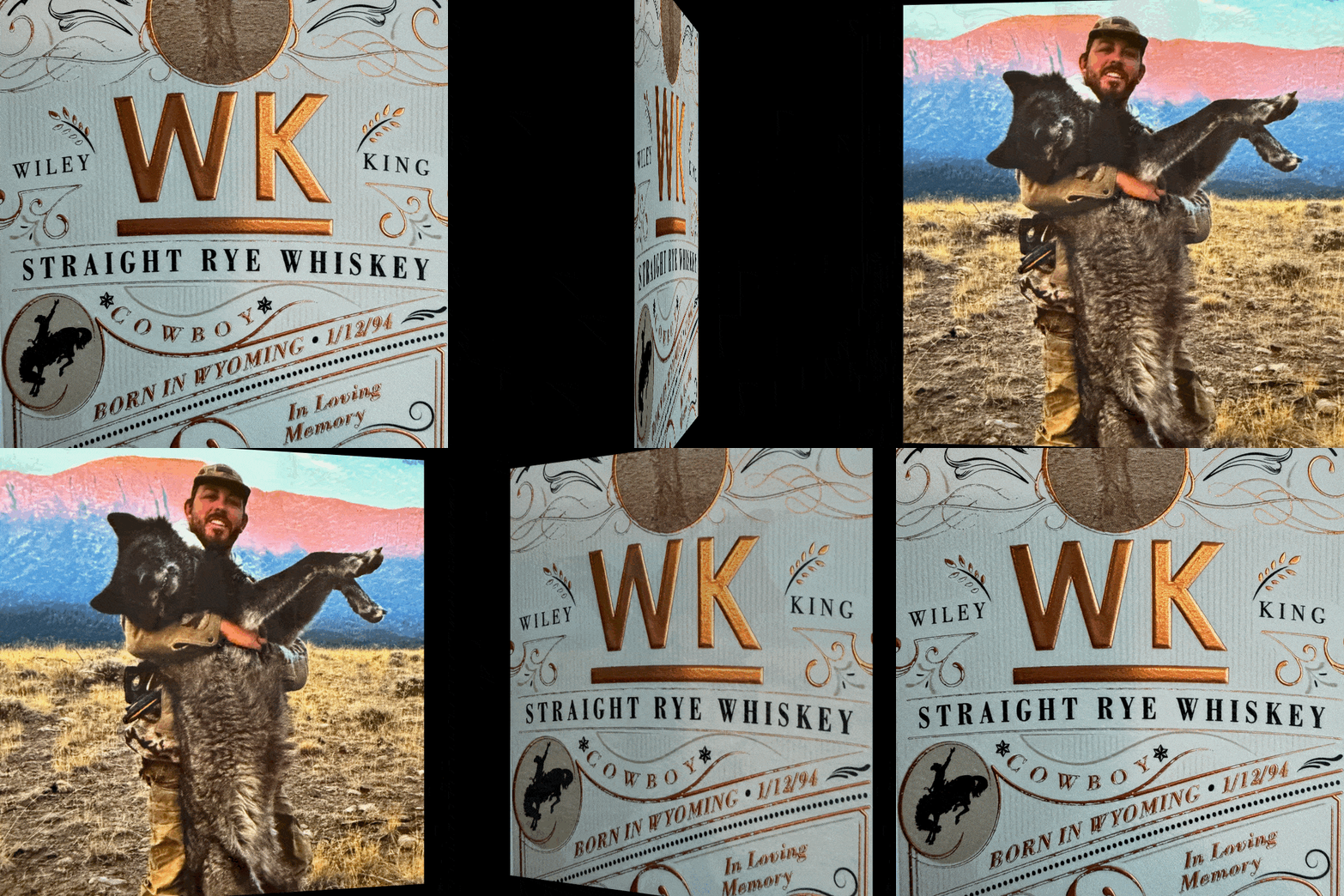

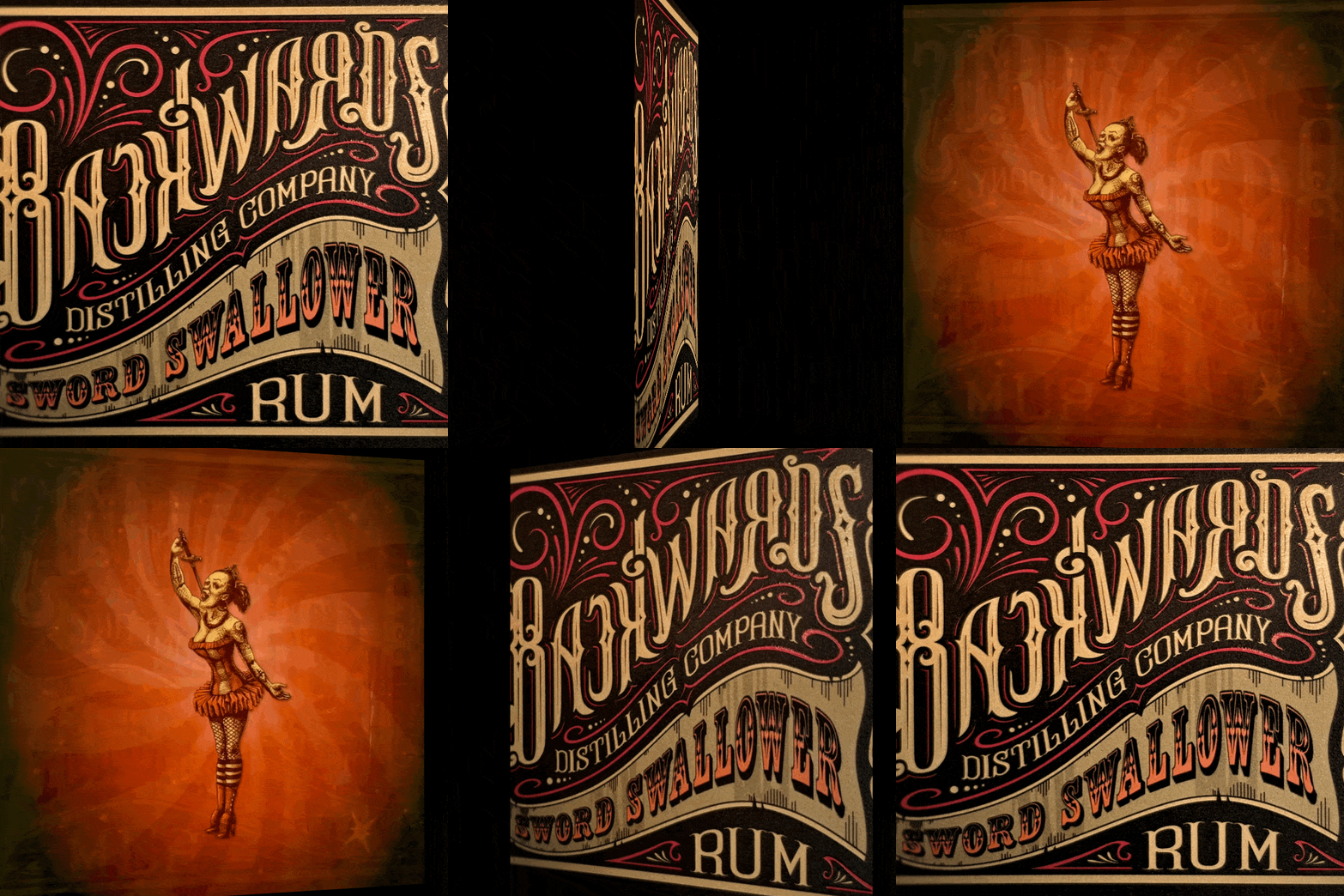
See It Both WaysWhy Designers Choose Double-Sided Labels
Create Visual Depth
Add dimension to your packaging with artwork that interacts across both sides of the label. The result is a more engaging design that feels layered and intentional.

Create a Premium Experience
Double-sided labels are ideal for products where packaging quality matters. They add a level of craftsmanship that customers can see and appreciate.

Make Every Detail Count
Use the back side of the label to add decorative elements, brand storytelling, or subtle details without overcrowding your primary design.

Precision Front-to-Back Registration
Double-sided labels require careful attention to detail. Artwork on both sides can be precisely aligned to create seamless designs and visual effects.

Combine With Custom Finishes
Enhance your design with specialty techniques like hot foil stamping, embossing, varnishes, and custom die cuts to create packaging that stands apart.

Give Customers Something to Discover
The most memorable packaging often includes a small surprise. Double-sided labels create opportunities for details that reveal themselves over time.

Frequently Asked QuestionsCommon Questions About Double-Sided Labels
-
Double-sided labels are labels printed with artwork or information on both sides of the label material. This allows the front and back of the label to work together as part of the overall package design.
-
Double-sided labels provide additional creative space and allow brands to create unique visual effects that are not possible with traditional single-sided labels. They are especially popular for premium products where packaging helps tell the brand story.
-
Double-sided labels are commonly used for spirits, specialty beverages, cosmetics, candles, personal care products, and other premium products where packaging design plays an important role.
-
Double-sided labels can be produced using a variety of materials, including premium papers, estate stocks, and specialty label materials. The best material depends on the desired appearance, application, and overall package design.
-
Yes. Double-sided labels can be combined with many premium finishing techniques, including hot foil stamping, embossing, varnishes, and custom die cutting to create a more distinctive package.
-
Yes. Double-sided labels require precise registration between the front and back artwork. Proper alignment allows designers to create intentional effects where both sides of the label work together.
-
Yes, although they are not limited to clear packaging. Clear bottles and containers can create unique opportunities for layered designs, but double-sided labels can also be used on premium papers and other specialty materials.
-
Because they involve additional printing and design considerations, double-sided labels may require a different production approach than traditional labels. The final cost depends on factors such as materials, quantity, artwork complexity, and finishing options.
-
Yes. Since both sides of the label become part of the design, artwork should be planned with the front and back working together. Our pre-press team can help review artwork and ensure the design translates properly into production.
-
The best results come from planning the label design early. Working with an experienced label partner can help determine the right materials, finishes, and production approach to bring the concept to life.