Expertise | CapabilitiesFlexographic Label Printing
When consistency, efficiency, and production volume matter most.
Flexographic printing remains one of the most reliable ways to produce high-quality labels. Ideal for long production runs and repeat orders, flexographic printing delivers outstanding color consistency, efficient manufacturing, and exceptional value for established products.
Why choose Flexographic Printing?Some products rarely change—and that's exactly where flexographic printing excels.
Unlike digital printing, flexographic printing uses custom printing plates to transfer ink onto the label material. While this requires additional setup, those costs are spread across larger production quantities, making flexographic printing an exceptionally efficient solution for long-running products and repeat manufacturing programs.
For brands with consistent artwork and predictable production schedules, flexographic printing often delivers the best overall value.
Built for Long Production Runs
Once the press is set up, flexographic printing produces labels efficiently and consistently, making it ideal for high-volume products and repeat orders.

Broad Materials & Finishes
Flexographic presses work with an extensive range of paper and film materials while supporting embellishments including hot foil stamping, embossing, specialty coatings, laminates, and custom die cutting.

Outstanding Color Consistency
Flexographic printing provides dependable color reproduction from run to run, helping maintain brand consistency across long-term production.

Efficient High-Volume Manufacturing
For products with stable artwork and consistent demand, flexographic printing offers an economical production solution that scales as your business grows.

Proven Technology. Modern Results.Flexographic printing combines speed, precision, and reliability.
Today's flexographic presses produce sharp graphics, vibrant color, and consistent registration while supporting sophisticated finishing techniques that help products stand out on the shelf.
For many established brands, flexographic printing continues to be the preferred production method for flagship products and long-running label programs.
Frequently Asked QuestionsWhat to Know About Flexographic Label Printing
-
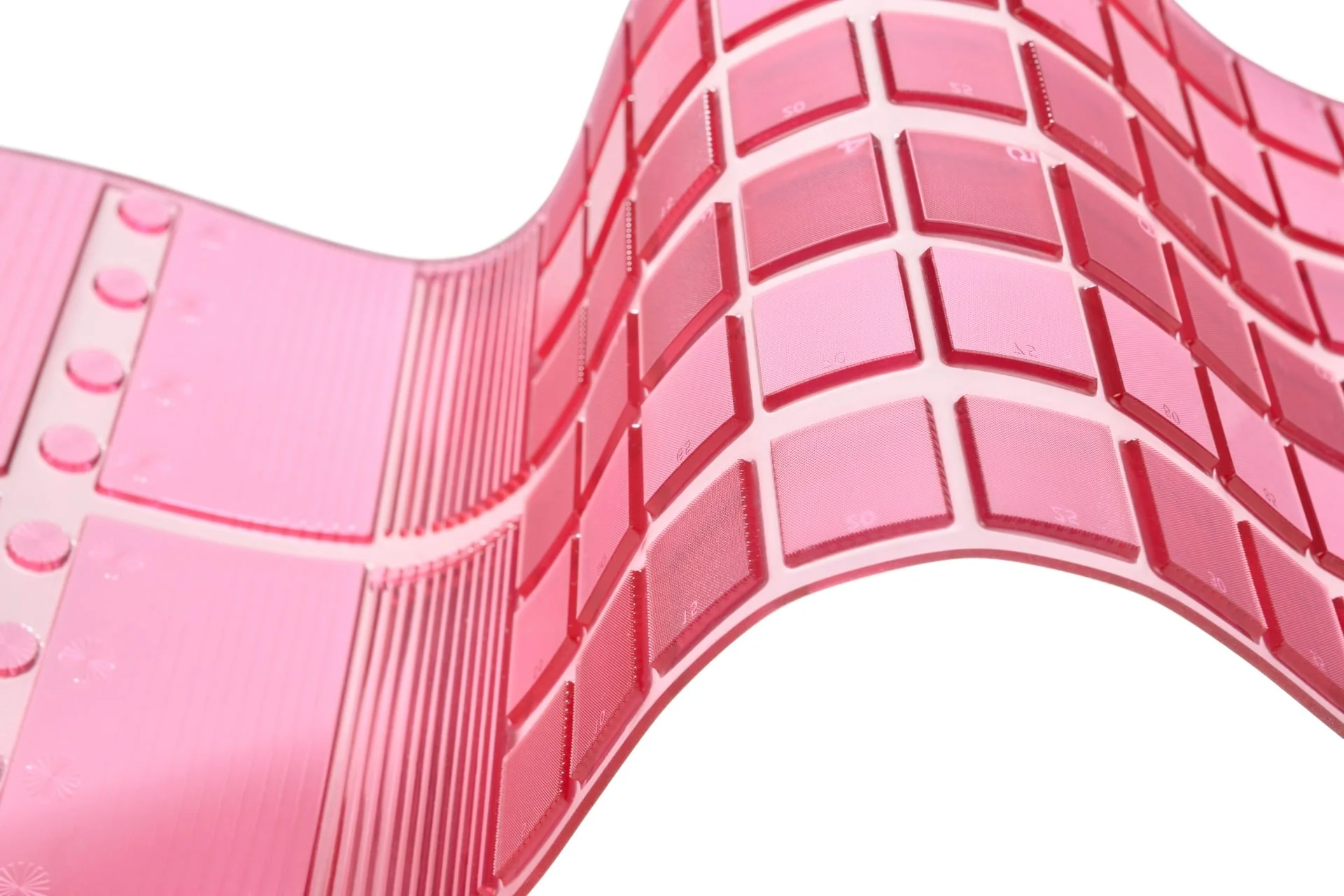
Flexographic printing is a production process that uses flexible printing plates to transfer ink onto label materials. It is widely used for pressure-sensitive labels because it combines high production speeds with excellent print quality and consistent results.
-
Flexographic printing is typically the best choice for larger production quantities, repeat orders, and products with artwork that changes infrequently. As production volume increases, flexographic printing often becomes the most economical option.
-
Both technologies produce outstanding labels, but each has different strengths. Flexographic printing is generally preferred for long production runs and repeat manufacturing, while digital printing offers greater flexibility for shorter runs, multiple versions, and variable data. Many brands benefit from using both technologies as part of their overall label program.
-
Yes. Custom printing plates are created for each color in the design. Although plate production adds initial setup time, it allows flexographic printing to become highly efficient over longer production runs.
-
Yes. Flexographic printing is well known for excellent color consistency and is an excellent choice for products that require dependable brand color reproduction across repeat orders.
-
Absolutely. Flexographic printing pairs exceptionally well with premium finishing techniques including hot foil stamping, embossing, varnishes, laminates, specialty coatings, and custom die cutting.
-
Flexographic printing is used across nearly every industry, including food and beverage, wine and spirits, household products, health and beauty, industrial manufacturing, automotive components, and consumer packaged goods.
-
It can be, but products with frequent design changes or many product variations often benefit from digital printing. The best production method depends on how often the artwork changes and the quantities required.
-
Absolutely. Choosing between digital and flexographic printing isn't about selecting the newest technology—it's about selecting the right technology for your project. We'll evaluate your production volume, artwork, materials, finishing requirements, and long-term goals to recommend the printing method that provides the best value.
-
Yes. Many companies use digital printing for product launches, seasonal promotions, and limited editions while relying on flexographic printing for established, high-volume products. Using both technologies allows brands to balance flexibility with manufacturing efficiency.